
NO, not a mis recollection of The Cure’s classic hit, instead a commonly asked question about what players do with themselves between Ally Pally encounters.
Every December, as soon as the Ally Pally doors creak open and the first 180 detonates around Muswell Hill, darts fans start asking the same burning question: What on earth do the players do between matches?
This year, the schedule stretches longer than a James Wade walk-on. An earlier December start, 64 matches, sixteen sessions, and only one single day without a double dose of tungsten before the mini Yuletide break. It means one thing: massive gaps between appearances. Proper chasms.
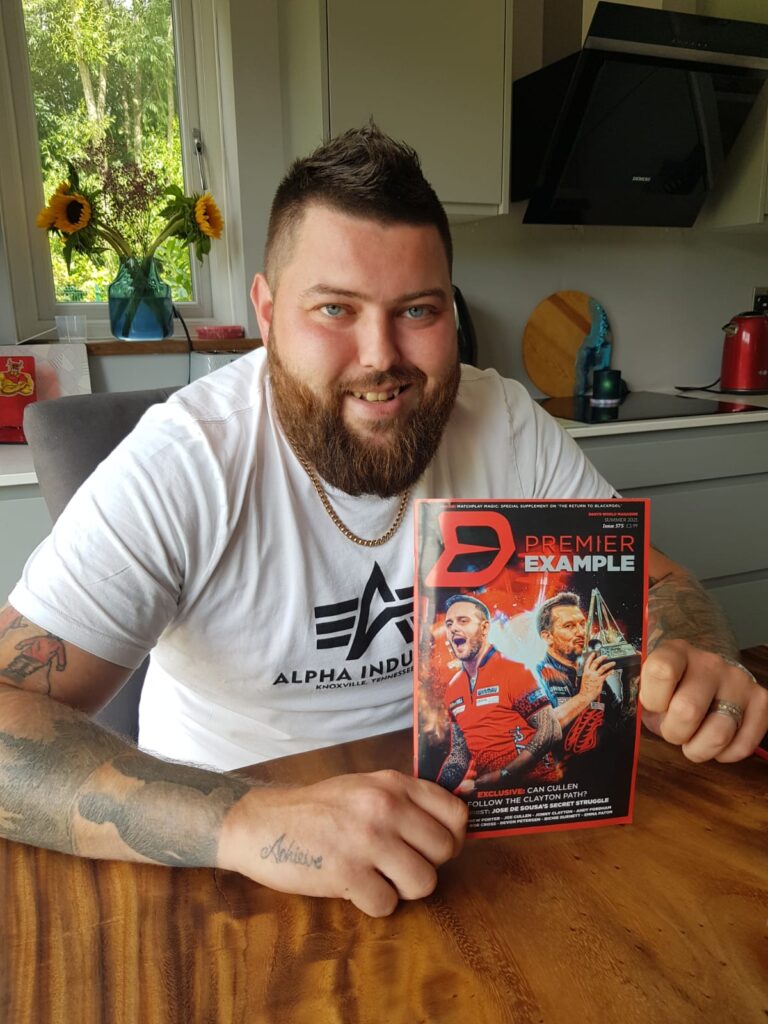
Take Warrington’s finest duo of residents — former champ Michael Smith and the reigning teenage overlord Luke Littler. Both had their openers on Thursday 11th December. Both won. And both knew full well they wouldn’t be back on that famous stage for at least a week and a bit. After all, it’s only a few hours up the road and unlikely they’ll the one braving the dreadful M6 traffc. So what do they do? Simple. They go home. Feet up. Kettle on. Practice board on the wall (or in Smith’s instance, in the mancave).
That’s the reality for most UK- and Ireland-based pros. Why burn seven nights’ worth of eye-watering London hotel money watching Netflix in a Travelodge when you can practise in your own back garden and return fresh the day before your second-round clash?
Editors note: In the days before the reduced tour expenses, and increased prize money, debutants and lower ranked players would minimise expenses for early matches, sometimes driving long distances on the day itself. This often led to far from ideal preparation – including mad dashes up the hill to Ally Pally in the snow! – before their opening match.
The Europeans aren’t daft either. If you hail from the Netherlands, Germany, Belgium or any of the neighbouring tungsten hotbeds, it’s cheaper to jump on a short flight home than rent a broom cupboard in the capital’s Zone 1. A quick Ryanair hop, a few days of peace, and back you come — refreshed, recharged, and hopefully remembering your equipment. Some do stay put, of course. Those with UK mates, spare couches or a favourite Wetherspoons may ride out the days in England. But most? They scarper.
Then you’ve got the long-haul brigade — Asia, Africa, Australasia, the Americas. They’re not going anywhere. Why? Well jetlag and cost issues aside, because after winning round one they’re already £25k richer — that’s a £10k jump from what they were guaranteed. Suddenly London’s hotel prices sting a lot less. And with the jet lag, travel distances and cost of flights, you’d need to be clinically insane to fly home for four days then return. Which brings us neatly to Christmas.
Because once the festive break ends and the last-16 crunch begins, the whole tournament accelerates. Matches come thick and fast. The turnaround shrinks. At that point, nobody is hopping back anywhere. Well, not unless they live three London Underground stops from the Palace.
And yes, a fair few European players willingly sacrifice the holiday season altogether. No roast tukey with all the trimmings. No mulled wine or mince pies. No Auntie Ingrid falling asleep during the King’s Speech. Just darts, darts, more darts — and a mountain of practice sessions. Their families celebrate Christmas in January instead, once their other half returns from the Ally Pally jungle either victorious or traumatised.
Others? They keep it festive. And by “others”, we of course mean Luke Littler.
The lad’s ability is so preposterously natural that his holiday routine barely changes. The turkey comes out, the presents get opened, and somewhere between the pigs-in-blankets and the Christmas pudding he throws a casual few nine darters during the half-time footall matches. Darts bend around his calendar — not the other way around.
But make no mistake: when there’s £1,000,000 dangling from the rafters like the world’s most expensive Christmas bauble, sacrifices become part of the job description. Quarter-final losers — losers! — walk away six figures richer. One hundred grand for falling short. That’s life-changing stuff, the kind that pays mortgages, fixes boilers, and funds more winter holidays in Tenerife than you can count. So what’s the grand conclusion?
If they’re British or Irish — they go home. If they’re European — most of them go home. If they’re from anywhere else — they stay put. And once we hit the business end of the tournament? Nobody’s travelling farther than the nearest Tube station.
Christmas darts isn’t just a spectacle. It’s a logistical masterpiece wrapped in tinsel and treble 20s.
—–ENDS—–
Images: PDC (T Lanning)