
VERY few tournaments and titles in darts carry the kind of accumulated weight that The Winmau World Masters does. This is not merely another stop on an overpopulated calendar; it is a competition layered with memory, migration, and reinvention, its lineage stretching back more than half a century to a time when the sport was still finding its modern voice.
Its origins sit firmly in a different age. The year was 1974. The custodians were the British Darts Organisation and The World Darts Federation. The venue was the West Central Hotel in Fulham, West London – intimate, functional, unglamorous. The inaugural champion was the late Cliff Inglis, who defeated Scotland’s Harry Heenan to claim £400, a sum that carried genuine substance in that era. It was a beginning that felt modest at the time, but monumental in hindsight.
What followed was a procession of authority. John Lowe, Eric Bristow, Bob Anderson – names that shaped the game rather than merely played it. Then came Phil Taylor, who first claimed the title in 1990 by defeating Jocky Wilson, quietly signalling that the balance of power was shifting.
The fracture in darts during the early 1990s saw many events replicated or argued over by the two sides The Winmau World Masters was mainly left alone and continued to be screened on TV and be one of the WDF/BDO’s two remaining truly prestigious events.
A pivotal moment arrived in 2013. The Professional Darts Corporation launched its own Masters, and predictably, Taylor stood tallest in Edinburgh. Simultaneously, Stephen Bunting captured the WDF/ BDO version in Hull. In truth there were few similarities and so no great discord arose.
That duality ended when the BDO folded in 2020. The World Darts Federation later revived the original lineage a couple of years later, with Wesley Plaisier lifting the title twice before it came to rest with Jimmy van Schie, who will not defend due to his PDC status. This event is, in truth, a shadow of its former self , has no real TV coverage and has even sacrificed its iconic format.
Meanwhile the PDC’s ‘The Masters’ evolved into a proving ground for dominance and momentum. James Wade followed Taylor onto the roll of honour. Then Michael van Gerwen arrived and reshaped the narrative entirely, winning in Milton Keynes in 2015 and retaining the title four times before Peter Wright interrupted his reign.
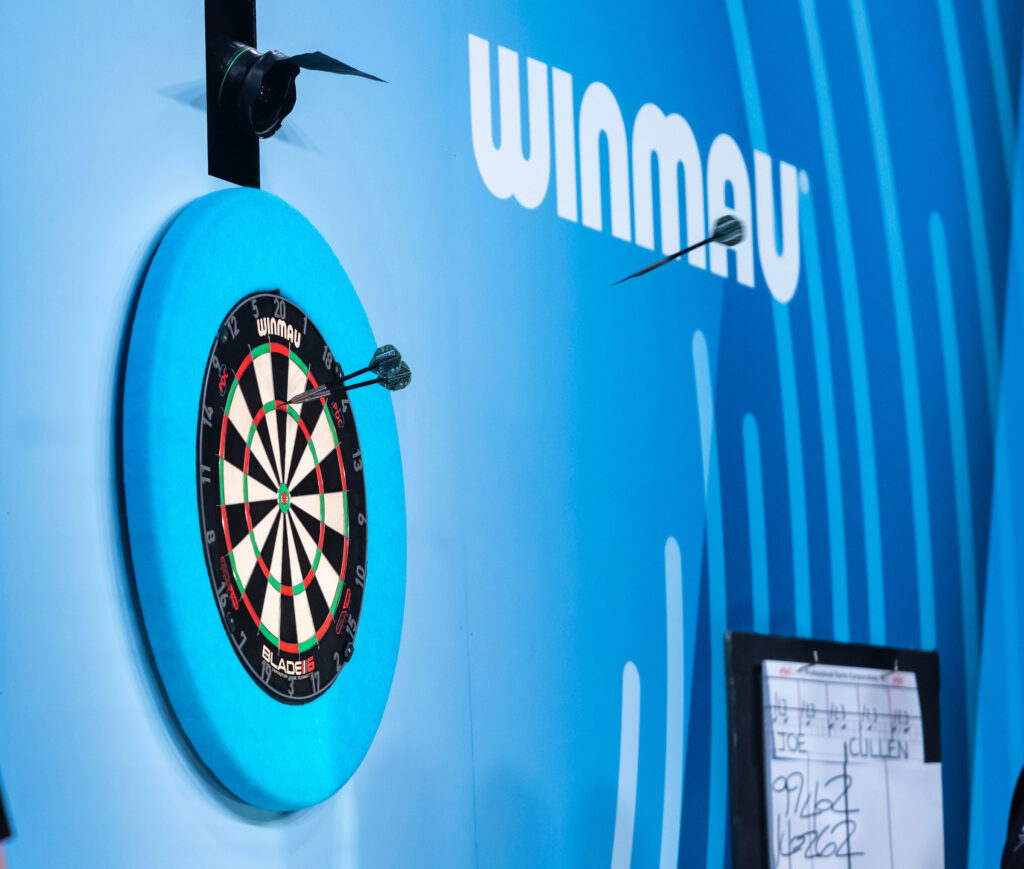
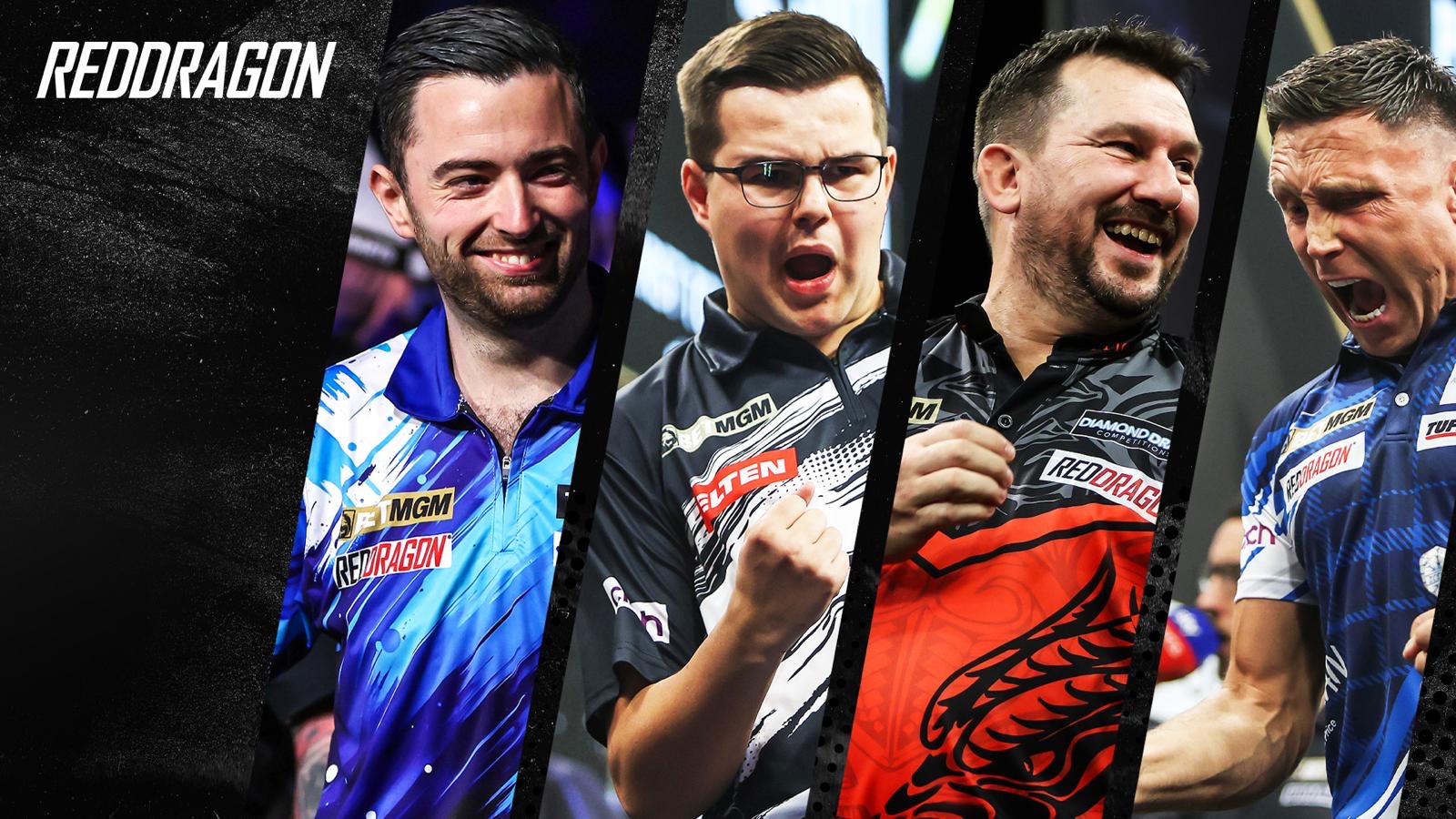
The early 2020s saw the tournament morph again. Jonny Clayton surged through an unranked golden spell, while English first-time TV title winners (within the PDC) Joe Cullen, Chris Dobey and Stephen Bunting each used the Masters as a launchpad.
Then came 2025, and transformation. The relatively new partnership between Winmau and the PDC led to a revamp. The tournament became ranked. Matchplay gave way to sets. International qualification routes were opened up. A new identity, with a strong lineage, emerged under the Winmau World Masters banner.
In an inaugural final charged with tension, Luke Humphries edged Clayton in a last-set decider and banked £100,000.
Now, 2026 looms. The top 24 on the Order of Merit are in, with the top 16 seeded. Eight more will fight through a dense qualifying lattice involving Tour Card holders, secondary tours, global affiliates and the Junior Darts Corporation.
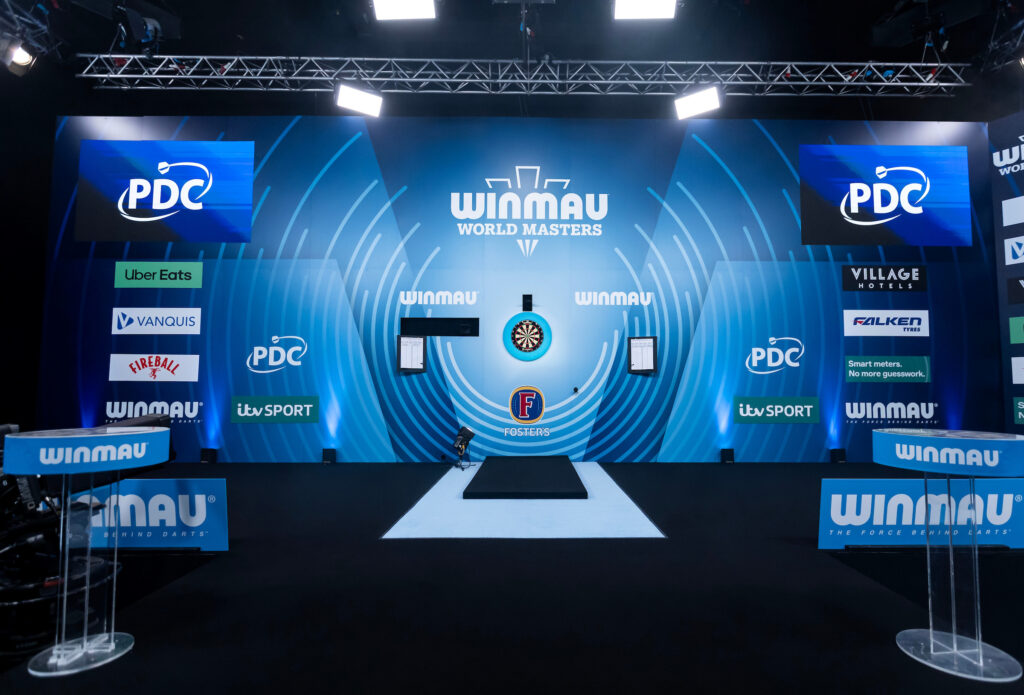
The TV action begins Thursday 29th January 29 and concludes Sunday 1st February. For Luke Littler, it remains one of the final gaps in an already glittering collection. History, after all, always leaves room for one more name …
Winmau World Masters 2026
Roll of Honour
2025 Luke Humphries defeated Jonny Clayton 6-5
Prize Fund
Winner £100,000
Runner-Up £50,000
Semi-Finalists £30,000
Quarter-Finalists £17,500
Round Two Losers £10,000
Round One Losers £5,000
Preliminary Round L16 £2,500
Preliminary Round L32 £1,000
Preliminary Round L64 £750
Total £500,000
Format
First Round – Best of five sets, best of three legs per set
Second Round – Best of seven sets, best of three legs per set
Quarter-Finals – Best of seven sets, best of three legs per set
Semi-Finals – Best of nine sets, best of three legs per set
Final – Best of 11 sets, best of three legs per set
(There are no tie-breaks in any set)
—–ENDS——
Images: PDC / T Lanning