
The World Grand Prix is the only tournament on the PDC circuit where a player has to start a leg on a double as well as finish on one. The choice of starting double is one of the few tactical decisions available to a player before the darts are thrown, and in a best-of-three sets first round, a slow start can be costly.
Here is a look at which doubles the 32-player field is most likely to go for.
Note: What follows is an educated guess based on players’ habits, starting doubles can change from leg to leg.
Tops and Tens
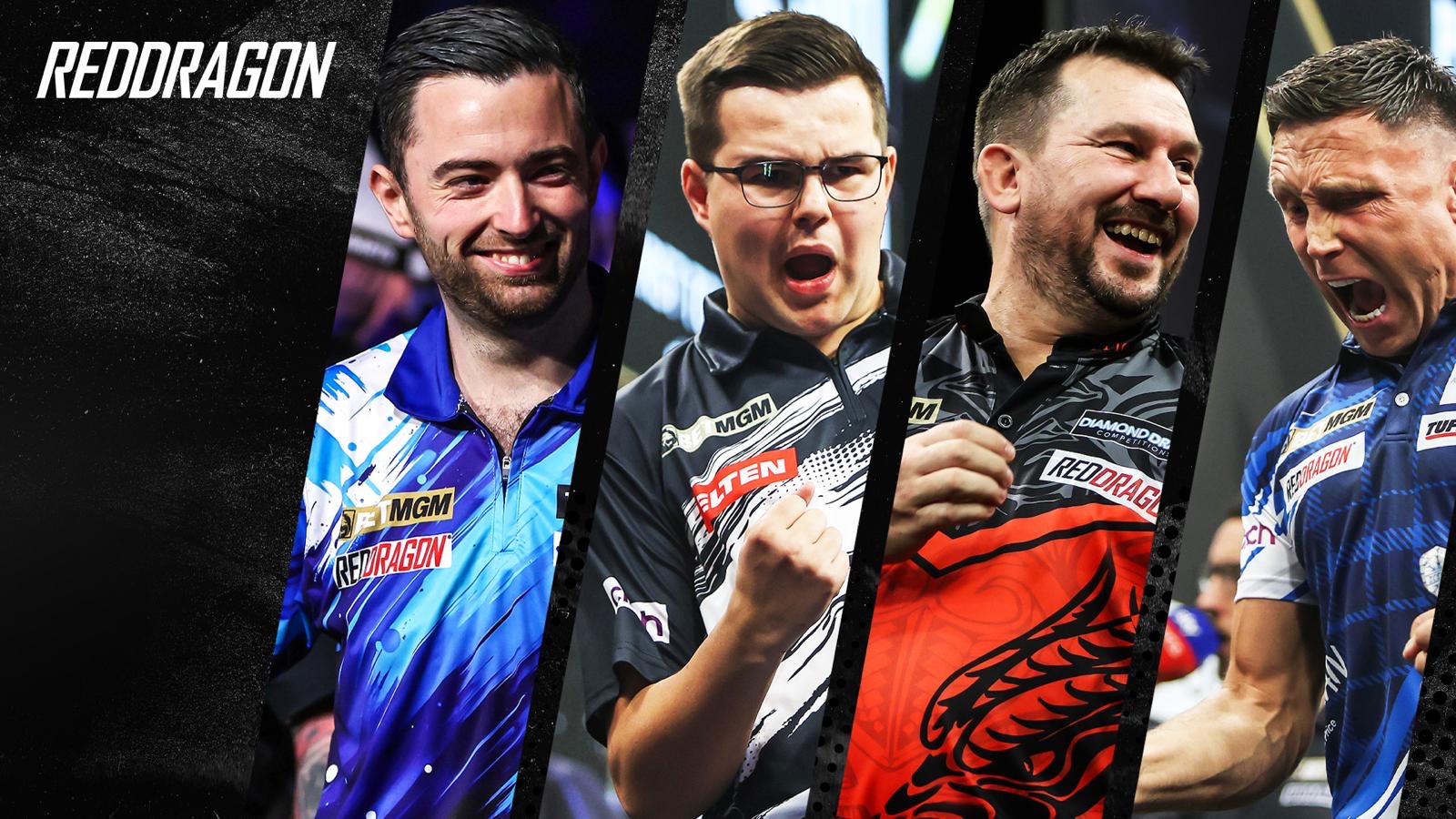
Double 20 and Double 10 are the natural home for a large part of the field. Luke Littler, Danny Noppert, Gerwyn Price, Niels Zonneveld, Ryan Searle, James Wade, Andrew Gilding and Dave Chisnall can all be expected to begin on one or the other. Stephen Bunting is also known to be a favourer of double top.
Debutants Kevin Doets and Sebastian Bialecki could go the same way as neither are shy of a tops or tens finish, but with no longer track record in the format they are harder to call.
Gary Anderson is one of the best-known tops hitters the game has ever seen, though he has drifted towards D16 in recent years, wary of the peril double 10 poses for him.
Tops has a history behind it too. The three double-start nine-darters hit at the World Grand Prix so far (Brendan Dolan in 2011, then James Wade and Robert Thornton in the same match in 2014) all began on double 20.
The D16/D8 Corner
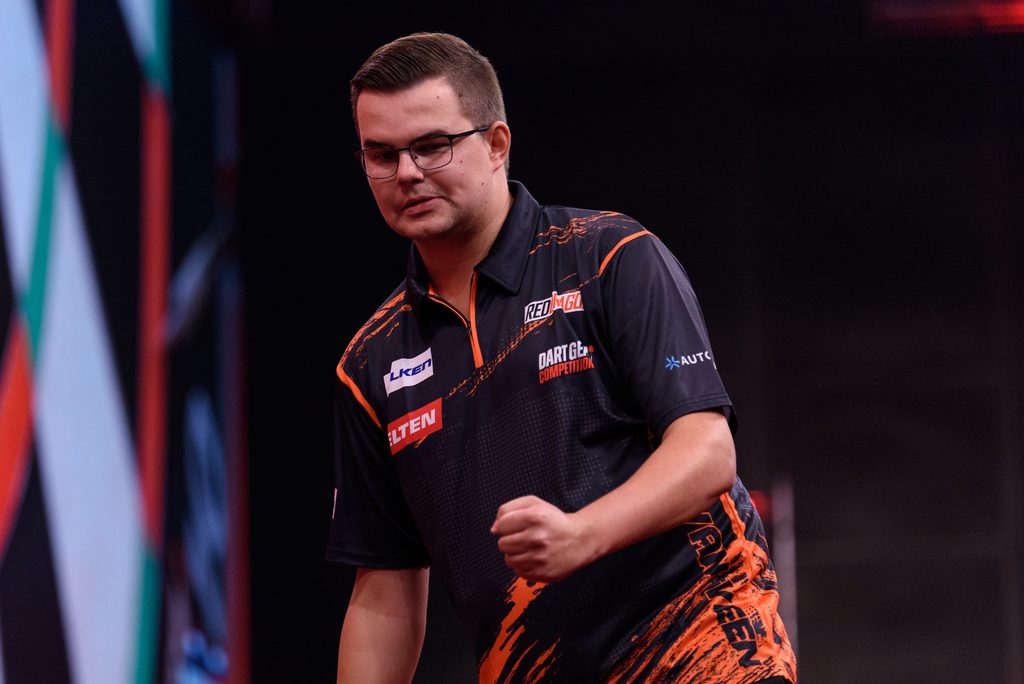
The bottom-left of the board is the busiest part of the field. Sitting side by side, it is easy to kindly slip into the adjacent double with a loose dart, though neither can be part of a double-in perfect leg. Players who do take this corner of the board as preference tend to enjoy the sideways switch to the Treble 19 from there, more than the tops to T20 downwards trajectory.
DARTS PLAYER MERCHANDISE AND COLLECTABLES AT OUR DARTSWORLD STORE!
Ryan Joyce and Gian van Veen (above) are two of the biggest hitters of these doubles in the world. The group also takes in Luke Woodhouse, Nathan Aspinall, Niko Springer, Michael van Gerwen, Ross Smith, Cameron Menzies, Jonny Clayton, Kryzysztof Ratajski, Wessel Nijman, Luke Humphries, Chris Dobey, Jermaine Wattimena, Josh Rock, Damon Heta, Dirk van Duijvenbode, Willie O’Connor and Joe Cullen.
Reigning champion Luke Littler also had a tendency to go to Double 16 in last year’s tournament so that may be worth keeping an eye on.
D18: Flexibility
Double 18 is a flexible option, usually favoured by players chasing around the board to get into a leg. For Rob Cross it is likely to be a happy hunting ground. Nijman and van Duijvenbode, both mentioned above, may also adopt it at times.
The Alternatives
Littler tends to have a pop at the bull if the start of a leg is going awry, and like D20, keeps a nine-darter alive. Though for most players the feeling of comfort tends to win out over the perfect leg lottery.
Price often shoots all around the board in an attempt to get in if tops isn’t sticking, with Double 13 a regular option.
MORE ELITE DARTS COVERAGE: Check Out Our Devoted PDC Area
With first-round matches best of three sets, there is little time to settle, and the opening darts of each leg will matter more than usual. The first few matches should show how many of these habits hold up.
Images: PDC